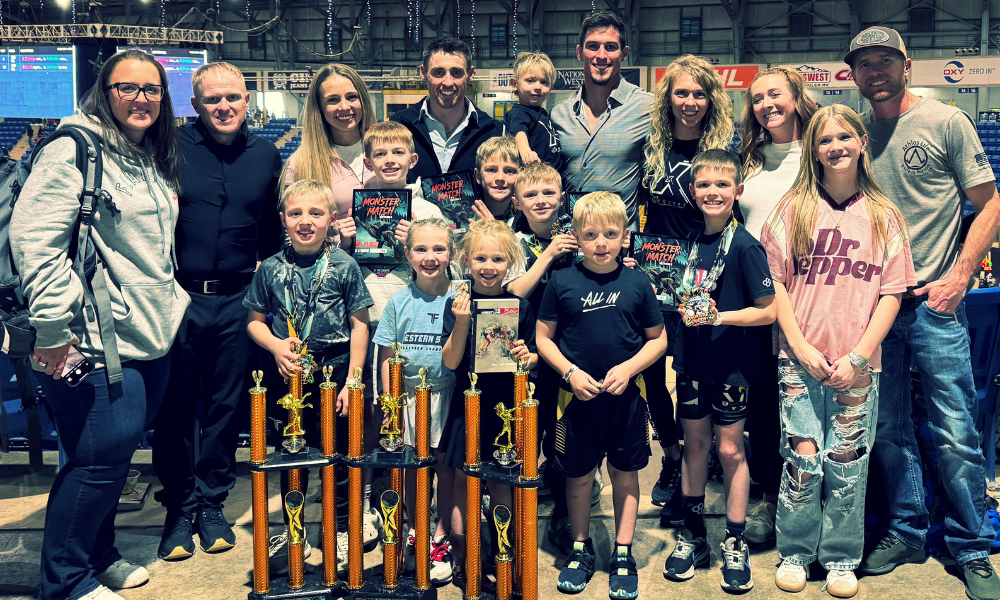

Youth wrestling is changing. Girls are filling gyms, joining clubs, and stepping onto podiums. Parents, coaches, and officials are adapting fast. Opportunity is expanding with every new season. Most importantly, young athletes are finding a sport that builds grit, humility, and joy.
Early Glimpses Of Women On The Mat
Recorded references to women grappling appear across cultures, though details are sparse. Festivals, exhibitions, and regional folk styles occasionally featured women. Over time, those appearances shifted from spectacle to sport. Eventually, organized pathways formed, and competitive structures emerged. The momentum has accelerated in the last three decades.
Modern Breakthroughs In The United States
The modern U.S. story starts to crystallize in the late 1990s. In 1998, Hawaii became the first state to sanction a girls’ high school state championship, giving athletes a formal stage and a clear path. That decision signaled what was possible when administrators and communities aligned around access and safety.
Since then, growth has been steady and increasingly rapid. According to the National Federation of State High School Associations, girls’ high school wrestling counted 74,064 participants in 2023 to 2024. That figure reflects the sport’s status as one of the country’s fastest-growing scholastic opportunities. Additionally, more than 40 states now sponsor official girls divisions, with recent expansions continuing the trend.
College Doors Opening Wider
Pathways matter. In 2024, the NCAA voted to add women’s wrestling as its 91st championship sport, with the first national championship set for 2026. That landmark move confirmed long-term viability and created a powerful dream line for young athletes. Programs are multiplying, rosters are growing, and recruiting maps now include youth and middle school circuits. As the collegiate tier strengthens, youth participation typically follows.
Why Youth Girls Wrestling Is Surging
First, access has improved. Dedicated girls divisions reduce mismatches, increase safety, and simplify event logistics. Second, club culture is evolving. Many rooms now run girls-only sessions, add female clinicians, and tailor curriculum to mixed experience levels. Third, visibility has exploded. Local news, social feeds, and college signings give families proof that the pathway is real.
Finally, wrestling itself sells the value. The sport sets clear rules, creates fair tests, and rewards consistent effort. Training teaches posture, hand fighting, movement, and composure under pressure. Competition sharpens problem solving. Losses become data. Wins confirm good habits. Friendships carry through seasons.
What The Numbers Say
 Consider three signals. First, girls high school participation has crossed 74,000 athletes nationwide, per NFHS data cited in recent coverage. That number would have been unimaginable a decade ago. Second, more states sanction girls championships each year, normalizing girls divisions for schools and officials. Third, the NCAA green light strengthens retention, because families see a collegiate finish line that justifies the sacrifice.
Inside The Youth Room: How Coaches Adjust
Coaches succeed by focusing on fundamentals and environment. Start with stance and motion. Add safe, high-percentage takedowns that teach position before risk. Build escapes that emphasize hips, hands, and timing. Layer pinning series only after athletes can move from bottom with confidence.
Then, mind the room. Provide clear expectations. Separate partners by size and experience. Rotate drills to keep energy high. Encourage questions. Celebrate process. When possible, invite women coaches or alumni to guest-lead sessions. Those role models matter to five-year-olds and thirteen-year-olds alike.
For Parents: How To Support The Journey
Parents shape outcomes more than they realize. Begin with realistic schedules. Youth athletes need sleep, school focus, and unstructured play. Next, set effort goals before tournaments and debrief with one learning point after. Keep car rides calm. Ask what they felt, not what they scored.
Additionally, stay plugged into the event plan. Confirm weigh-in times, format, and mat maps. Pack snacks, water, and a simple recovery plan. Coordinate with other families for rides and hotel blocks. Finally, model mat-side manners. Let coaches coach. Thank table workers. Applaud good wrestling on both sides. These habits protect officials, ease tensions, and keep meets on time.
Building A Sustainable Club Culture
Strong clubs write down their values and live them. Publish safety checklists. Create clear codes for parents, athletes, and coaches. Offer mentorship pathways for older girls to help beginners. Promote female officials and scorekeepers. Host girls-only clinics to welcome new athletes gently into the sport.
Also, track participation and retention across seasons. Short surveys reveal friction early. Fixing locker room access, practice times, or communication cadence can save families. Small changes compound into stability.
Looking Ahead: The Next Five Years
Growth typically follows structure. As more states sanction girls divisions and more colleges add rosters, youth rooms will fill. Expect deeper brackets, better geographic spread, and improved officiating pipelines. Expect smarter scheduling, too. Tournament directors are learning to balance division sizes, mat counts, and break windows so families want to return.
Most importantly, expect culture to mature. The more girls who stay through middle school, the better the high school product becomes. The better the high school product, the more college interest rises. That feedback loop already appears in expanded recruiting and clinic demand.
A Sport That Teaches For Life
Wrestling offers what families want: accountability, resilience, and community. Young athletes learn to shake hands, meet a test, and own the result. They learn to lose well, win well, and prepare better. Those lessons travel into classrooms, workplaces, and relationships. The mat is a mirror. Girls see strength in themselves and in each other, then carry it forward.